Williamsburg County Dog Registration Information
Service Dogs and Emotional Support Animals in Williamsburg, Virginia
If you’re asking where do I register my dog in Williamsburg County, Virginia for my service dog or emotional support dog, the key thing to know is this: registration and licensing are local. In Virginia, dog licensing is typically handled by a locality’s finance/treasurer function, while animal control enforces animal-related ordinances and rabies compliance.
This landing page explains the practical steps for getting a dog license in Williamsburg County, Virginia area offices, what rabies documentation you’ll usually need, and how a dog license differs from a service dog’s legal status or an emotional support animal (ESA) designation.
Where to Register or License Your Dog in Williamsburg County, Virginia
Because licensing is handled locally, below are example official offices that residents in the Williamsburg area commonly use when searching for where to register a dog in Williamsburg County, Virginia. Use the office that matches your home address (City vs. County). If you are unsure, ask the office to confirm jurisdiction before you submit payment.
City of Williamsburg Finance Department (Dog Tags)
- Address: 401 Lafayette St
- City/State/ZIP: Williamsburg, VA 23185
- Phone: 757-220-6180
- Email: Not listed in the referenced City dog tag materials
- Office hours: Not listed in the referenced City dog tag materials
James City County Treasurer’s Office (Dog Licenses)
- Address: 101 Mounts Bay Road, Building B
- City/State/ZIP: Williamsburg, VA 23185
- Phone: 757-253-6705
- Email: Not listed in the referenced directory listing
- Office hours: Monday – Friday, 8 a.m. – 5 p.m.
James City County Police Department – Animal Control Unit
If you’re searching for animal control dog license Williamsburg County, Virginia, animal control typically enforces licensing/rabies rules and may direct you to the correct licensing office (Treasurer/Finance). This office is also the place to report stray animals, bites, or rabies-related issues.
- Address: 430 Waller Mill Road
- City/State/ZIP: Williamsburg, VA 23188
- Phone: 757-566-0112
- Email: Not listed in the referenced Animal Control contact section
- Office hours: Not listed in the referenced Animal Control contact section
Overview of Dog Licensing in Williamsburg County, Virginia
What “dog registration” usually means in Virginia
In most Virginia localities, “registering your dog” means getting a local dog license (often called a dog tag). This is typically administered by a city finance department or a county treasurer. The license helps local government identify owned dogs, supports animal control services, and reinforces rabies compliance.
Most licensing is handled locally (city or county)
There is no single statewide “service dog registry” or “ESA registry” that replaces your local license requirement. Instead, you should expect licensing to be based on where you live:
- If you live inside the City of Williamsburg: you generally obtain a City dog tag through the City’s finance function.
- If you live in James City County (outside the City): you generally obtain a county dog license through the County Treasurer.
- Animal control: enforces animal ordinances, investigates complaints, and may help confirm which licensing office applies to your address.
How Dog Licensing Works Locally in Williamsburg County, Virginia
Step-by-step: typical licensing process
- Confirm your jurisdiction (City vs. County). Your mailing address may say “Williamsburg,” but licensing depends on whether you are inside City limits or in the surrounding county.
- Get your dog vaccinated for rabies. Keep the rabies certificate from your veterinarian; it is commonly required to issue a license tag.
- Submit your application and fee to the correct local office. This may be a finance department (city) or treasurer’s office (county).
- Receive your license/tag. Keep the receipt for your records and attach the tag as required by local rules.
Rabies vaccination requirements and proof
Virginia’s rabies control and licensing framework ties licensing to rabies vaccination proof. In general, a locality should not issue a license tag without satisfactory evidence of current rabies vaccination, and owners are responsible for licensing after vaccination. Your veterinarian’s rabies certificate typically contains identifying information about the animal and the vaccine’s expiration date.
Why you may get reminders after rabies vaccination
In Virginia, veterinarians report rabies vaccination information to local treasurers, and localities may follow up with owners of newly vaccinated but unlicensed dogs. If you recently vaccinated your dog and then receive a local licensing notice, it usually means the locality is trying to match rabies vaccination records to licensing compliance.
What a dog license is (and what it isn’t)
Dog license
A local license/tag tied to your residence (City or County). Usually requires rabies proof and a fee.
Service dog status
A legal status based on the dog being individually trained to perform tasks for a person with a disability. Not granted by buying a tag.
Emotional support animal (ESA)
An animal that provides emotional support that may be relevant for certain housing situations. Not the same as a service dog and does not create public-access rights.
If your goal is to be fully compliant, you generally need (1) a local dog license if your locality requires it and (2) current rabies vaccination. Service dog task-training and ESA documentation are separate topics and do not replace local licensing.
Service Dog Laws in Williamsburg County, Virginia
Service dogs vs. pets: what makes a dog a “service dog”
A service dog is not defined by a registration number or a vest. In everyday compliance terms, a service dog is generally understood as a dog that is individually trained to do work or perform tasks for a person with a disability. Examples include guiding a person who is blind, alerting to seizures, retrieving items, interrupting self-harm behaviors, or providing balance support.
Do service dogs still need local licensing and rabies vaccination?
In many places, yes: even if your dog is a service dog, local rules about rabies vaccination and local dog licensing may still apply. A local dog license helps identify the dog as owned and vaccinated and can be useful in situations like a lost dog report or an animal control contact after an incident.
What businesses can ask (and what they can’t)
In public settings, staff typically should not demand medical details. Practically, it helps to keep your dog’s rabies certificate and proof of local license available in case an animal control officer requests it, or if a facility has vaccination rules for animal entry.
Avoid “service dog registration” scams
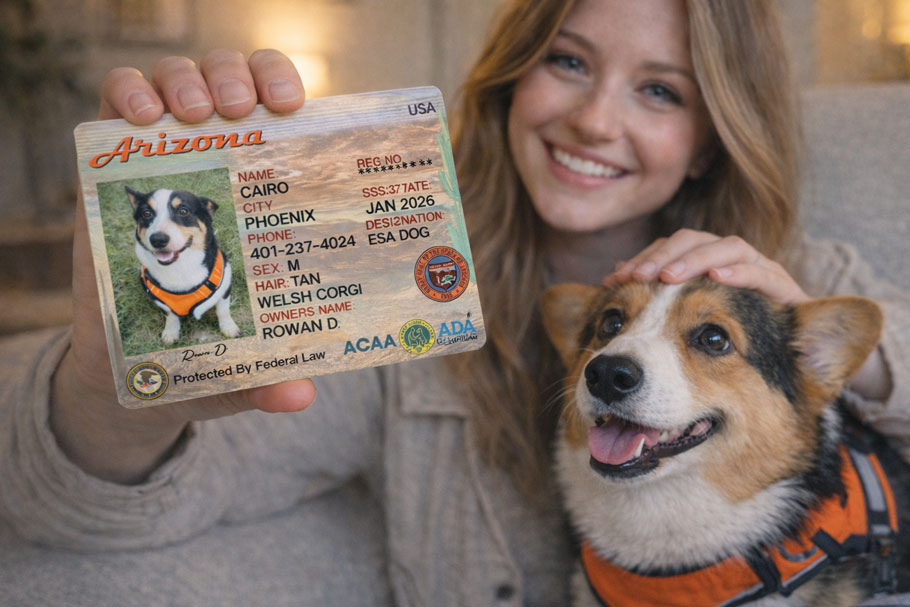
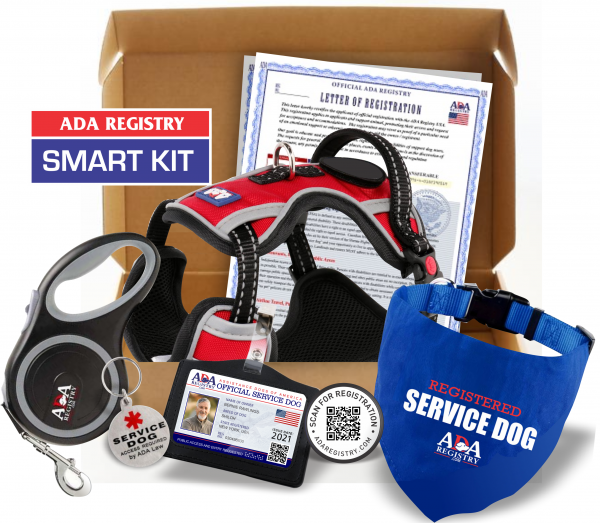
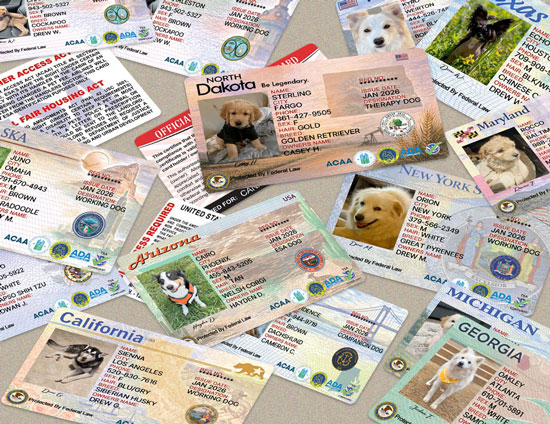
If you’re searching “register my service dog,” be careful: many online “registries” sell ID cards and certificates that do not change your legal rights. Your dog’s local license is handled by official local offices, and a service dog’s legal status is based on disability-related task training, not a purchased certificate.
Emotional Support Animal Rules in Williamsburg County, Virginia
What an ESA is (and is not)
An emotional support animal (ESA) is generally a companion animal that provides comfort or emotional benefit. ESAs are different from service dogs because ESAs are not necessarily trained to perform specific disability-related tasks. This matters because ESA status does not automatically grant the same public-access rights as a service dog.
Housing vs. public access
ESAs are most commonly relevant in housing contexts (for example, requesting a reasonable accommodation). However, for everyday local compliance—such as getting a dog license in Williamsburg County, Virginia area offices—ESA status generally does not replace the requirement to license your dog and keep rabies vaccination current.
Do ESAs need a local dog license?
If your locality requires a dog license, then yes—your ESA is still a dog living in the locality, so you should plan to license the dog through the appropriate city/county office and maintain rabies vaccination records. This is the simplest answer to where to register a dog in Williamsburg County, Virginia when the dog is an ESA: you register/license the dog locally the same way you would any other dog.
Frequently Asked Questions
Disclaimer: Licensing requirements and office locations may change. Residents should verify details with their local animal services office within Williamsburg County, Virginia.
Register A Dog In Other Virginia Counties
Select your county below to get started with your dog’s ID card. Requirements and license designs may vary by county, so choose your location to see the correct options and complete your pup’s registration.
- Accomack County Dog Registration
- Albemarle County Dog Registration
- Alexandria County Dog Registration
- Alleghany County Dog Registration
- Amelia County Dog Registration
- Amherst County Dog Registration
- Appomattox County Dog Registration
- Arlington County Dog Registration
- Augusta County Dog Registration
- Bath County Dog Registration
- Bedford County Dog Registration
- Bland County Dog Registration
- Botetourt County Dog Registration
- Bristol County Dog Registration
- Brunswick County Dog Registration
- Buchanan County Dog Registration
- Buckingham County Dog Registration
- Buena Vista County Dog Registration
- Campbell County Dog Registration
- Caroline County Dog Registration
- Carroll County Dog Registration
- Charles City County Dog Registration
- Charlotte County Dog Registration
- Charlottesville County Dog Registration
- Chesterfield County Dog Registration
- Clarke County Dog Registration
- Colonial Heights County Dog Registration
- Covington County Dog Registration
- Craig County Dog Registration
- Culpeper County Dog Registration
- Cumberland County Dog Registration
- Danville County Dog Registration
- Dickenson County Dog Registration
- Dinwiddie County Dog Registration
- Emporia County Dog Registration
- Essex County Dog Registration
- Fairfax County Dog Registration
- Falls Church County Dog Registration
- Fauquier County Dog Registration
- Floyd County Dog Registration
- Fluvanna County Dog Registration
- Franklin County Dog Registration
- Frederick County Dog Registration
- Fredericksburg County Dog Registration
- Galax County Dog Registration
- Giles County Dog Registration
- Gloucester County Dog Registration
- Goochland County Dog Registration
- Grayson County Dog Registration
- Greene County Dog Registration
- Greensville County Dog Registration
- Halifax County Dog Registration
- Hampton County Dog Registration
- Hanover County Dog Registration
- Harrisonburg County Dog Registration
- Henrico County Dog Registration
- Henry County Dog Registration
- Highland County Dog Registration
- Hopewell County Dog Registration
- Isle of Wight County Dog Registration
- James City County Dog Registration
- King and Queen County Dog Registration
- King George County Dog Registration
- King William County Dog Registration
- Lancaster County Dog Registration
- Lee County Dog Registration
- Lexington County Dog Registration
- Loudoun County Dog Registration
- Louisa County Dog Registration
- Lunenburg County Dog Registration
- Lynchburg County Dog Registration
- Madison County Dog Registration
- Manassas County Dog Registration
- Manassas Park County Dog Registration
- Martinsville County Dog Registration
- Mathews County Dog Registration
- Mecklenburg County Dog Registration
- Middlesex County Dog Registration
- Montgomery County Dog Registration
- Nelson County Dog Registration
- New Kent County Dog Registration
- Newport News County Dog Registration
- Northampton County Dog Registration
- Northumberland County Dog Registration
- Norton County Dog Registration
- Nottoway County Dog Registration
- Orange County Dog Registration
- Page County Dog Registration
- Patrick County Dog Registration
- Petersburg County Dog Registration
- Pittsylvania County Dog Registration
- Poquoson County Dog Registration
- Portsmouth County Dog Registration
- Powhatan County Dog Registration
- Prince Edward County Dog Registration
- Prince George County Dog Registration
- Prince William County Dog Registration
- Pulaski County Dog Registration
- Radford County Dog Registration
- Rappahannock County Dog Registration
- Roanoke County Dog Registration
- Rockbridge County Dog Registration
- Rockingham County Dog Registration
- Russell County Dog Registration
- Salem County Dog Registration
- Scott County Dog Registration
- Shenandoah County Dog Registration
- Smyth County Dog Registration
- Southampton County Dog Registration
- Spotsylvania County Dog Registration
- Stafford County Dog Registration
- Staunton County Dog Registration
- Suffolk County Dog Registration
- Surry County Dog Registration
- Sussex County Dog Registration
- Tazewell County Dog Registration
- Warren County Dog Registration
- Washington County Dog Registration
- Waynesboro County Dog Registration
- Westmoreland County Dog Registration
- Winchester County Dog Registration
- Wise County Dog Registration
- Wythe County Dog Registration
- York County Dog Registration